
Ghana will officially phase out Styrofoam products nationwide beginning January 1, 2027, in a major environmental policy aimed at reducing plastic pollution and improving sanitation across the country.
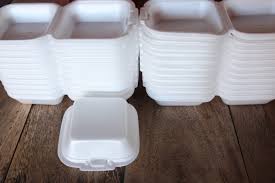
The Environmental Protection Authority (EPA) announced that the ban will cover the production, importation, distribution, sale, and use of expanded polystyrene foam products, commonly known as Styrofoam or takeaway packs.
The move follows an earlier policy declaration made by President John Dramani Mahama during the 2025 World Environment Day celebrations, where he pledged government action against harmful plastic waste and unsustainable packaging materials.
According to the EPA, the nationwide restriction forms part of broader efforts to tackle environmental pollution, improve public health, and encourage sustainable consumption habits among businesses and consumers.
The ban will apply to all commercial and domestic expanded polystyrene foam products used across Ghana.
Items expected to be affected include takeaway food containers, disposable cups and plates, foam packaging used by restaurants and chop bars, insulation materials, foam mattresses, bedding products, and cushioning materials used for packaging.
The EPA clarified, however, that some specialized foam products used for medical, scientific, laboratory, and diagnostic purposes may still be permitted under regulatory approval.
The transition period between now and January 2027 is expected to give manufacturers, importers, food vendors, and retailers enough time to adopt alternative packaging materials that are reusable, recyclable, and environmentally friendly.
The Styrofoam phase out represents one of Ghana’s biggest environmental policy shifts in recent years.
Plastic waste has remained a major sanitation challenge in many Ghanaian cities, especially in urban drainage systems where discarded plastics frequently contribute to flooding during heavy rains.
Environmental experts have repeatedly warned that polystyrene products are difficult to recycle and can remain in the environment for decades after disposal. Studies globally have linked Styrofoam pollution to rising microplastic contamination in oceans, waterways, and food systems.
The EPA says the policy aligns Ghana with growing international efforts to reduce single use plastics and promote greener packaging alternatives. Countries across Africa, Europe, and North America have already introduced similar restrictions on Styrofoam food containers and related products.
Restaurants, food vendors, supermarkets, and packaging companies are expected to be among the sectors most affected by the upcoming ban.
Many takeaway food businesses in Ghana currently rely heavily on foam containers because they are cheap, lightweight, and widely available. However, environmental advocates say the long term environmental cost far outweighs the short term convenience.
The EPA has encouraged businesses to begin preparing early by transitioning to paper based packaging, biodegradable containers, reusable food packs, and other eco friendly alternatives.
Officials say the agency will spend the coming months conducting nationwide stakeholder consultations, technical engagements, public education campaigns, and compliance monitoring exercises before the full implementation date.
The Authority also plans to collaborate with Metropolitan, Municipal and District Assemblies, customs officials, port authorities, and industry regulators to strengthen enforcement once the ban officially takes effect.
The announcement has already sparked strong reactions online, with many Ghanaians welcoming the decision as a necessary step toward cleaner cities and improved environmental protection.
Others have raised concerns about the potential increase in packaging costs for small food businesses and consumers if affordable alternatives are not made readily available.
Environmental campaigners, however, believe the policy could significantly reduce plastic waste generation if properly enforced.
With Ghana continuing to face recurring sanitation and flooding challenges, many observers see the Styrofoam ban as part of a broader national effort to encourage sustainable living and environmental responsibility.
The success of the policy will likely depend on public cooperation, business adaptation, and the government’s ability to maintain consistent enforcement after January 2027.