
Ghana offers travelers a rich mix of history, culture, wildlife, beaches, and vibrant city life. Often described as one of West Africa’s most welcoming destinations, the country continues to attract visitors searching for authentic experiences beyond the usual tourist trails.
From coastal forts linked to the transatlantic slave trade to rainforest, canopy walks and bustling urban centers. Ghana presents a travel experience that combines heritage with adventure. The country’s growing tourism industry has also gained global attention in recent years, especially following campaigns that encouraged people of African descent to reconnect with their roots.
For visitors planning a trip, several destinations continue to stand out across the country.
Places to visit in Ghana and Why
Accra Delivers Energy, Food and Modern African Culture
Ghana’s capital city remains the main entry point for international visitors. Accra is lively, fast growing, and packed with cultural experiences that blend tradition with modern African lifestyle.
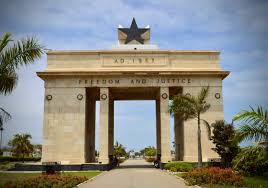
Neighborhoods such as Osu and East Legon are known for restaurants, nightlife, cafés, and shopping spots. Travelers often spend time exploring Jamestown’s colonial streets, the Kwame Nkrumah Memorial Park, and the bustling Makola Market.
The city’s food scene also plays a major role in its appeal. From local chop bars serving fufu and light soup to modern restaurants offering Ghanaian fusion cuisine, Accra has become one of Africa’s emerging culinary hotspots.


Cape Coast and Elmina Tell Ghana’s Deep Historical Story
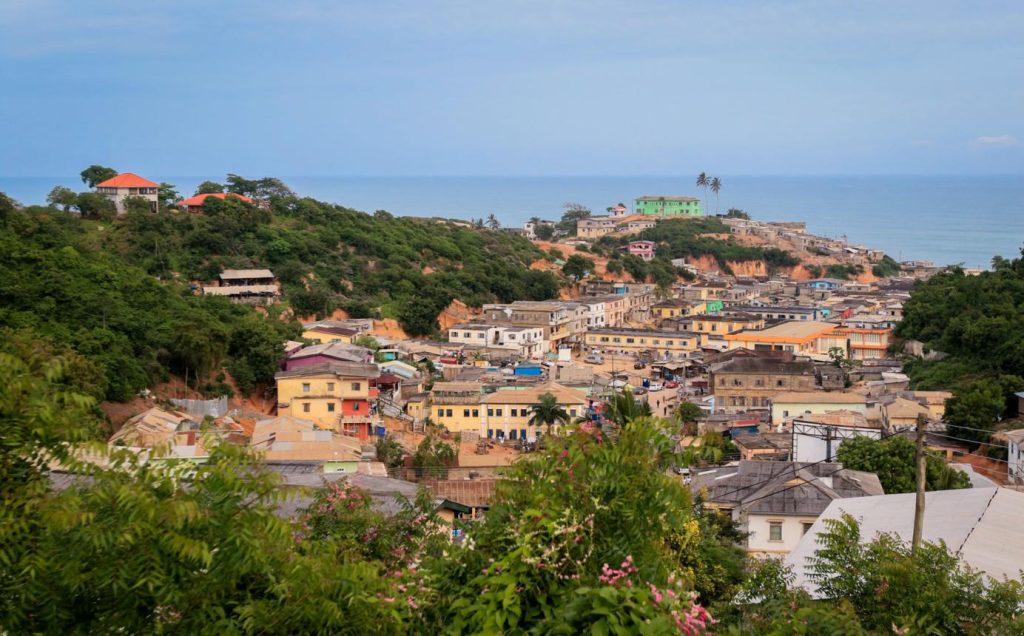
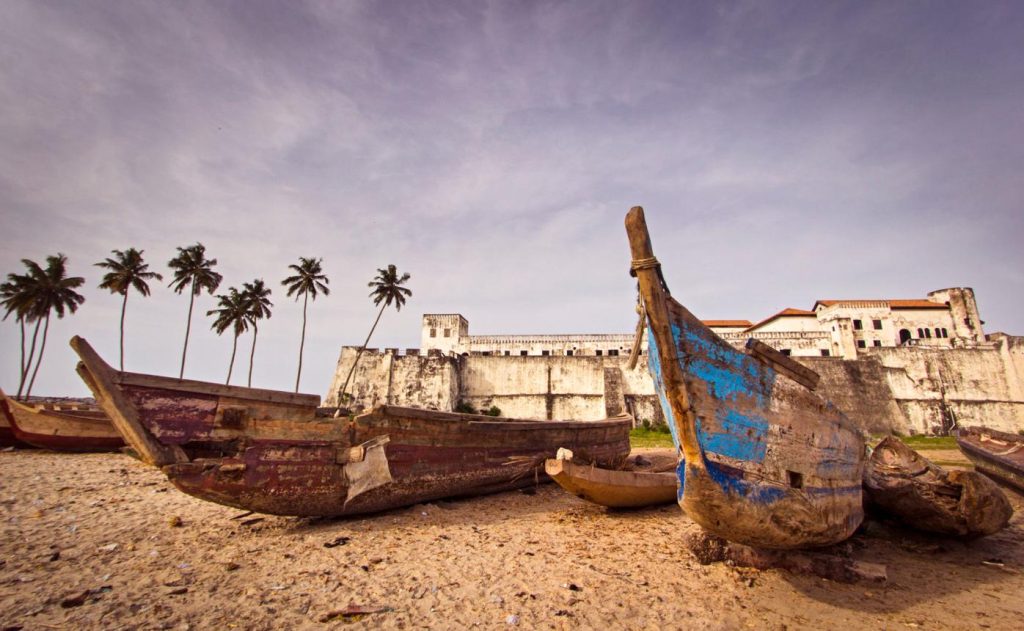
Many visitors travel west from Accra to explore Cape Coast and Elmina, two towns that preserve some of the most important historical sites in Africa.
Cape Coast Castle and Elmina Castle remain major attractions because of their connection to the transatlantic slave trade. The castles once held enslaved Africans before they were transported across the Atlantic. Today, they serve as memorial sites and museums visited by people from around the world.
Guided tours through the dark underground chambers and the famous “Door of No Return” leave lasting impressions on many visitors.
Beyond the castles, the coastal towns also offer beaches, fishing communities, and relaxed seaside atmospheres that contrast with the emotional weight of the historical sites.
Kakum National Park Gives Visitors a Different Side of Ghana
Located near Cape Coast, Kakum National Park remains one of Ghana’s best known eco tourism destinations.
The park’s suspended canopy walkway stretches high above the rainforest floor, giving visitors panoramic views of dense tropical forest. For many travelers, walking across the swinging bridges becomes one of the highlights of their Ghana trip.
The rainforest is home to birds, butterflies, monkeys, and several plant species. Nature lovers often combine Kakum visits with nearby historical attractions along the coast.


Mole National Park Offers Ghana’s Safari Experience
Northern Ghana provides a completely different landscape from the south. Mole National Park, the country’s largest wildlife reserve, attracts travelers hoping to experience safari adventures without the crowds found in some other African destinations.
Elephants are the park’s biggest attraction, but visitors can also spot antelopes, warthogs, baboons, and crocodiles during guided tours.
Walking safaris remain especially popular because they allow tourists to observe wildlife up close while learning about the ecosystem from trained guides.
The peaceful atmosphere and open savannah landscapes make Mole one of Ghana’s most rewarding nature destinations.

The Volta Region Is Known for Mountains and Waterfalls
The Volta Region has become increasingly popular among travelers searching for scenic landscapes and outdoor activities.
Wli Waterfalls, Ghana’s tallest waterfall, attracts hikers and photographers throughout the year. Mount Afadja, the country’s highest mountain, also draws adventure seekers looking for panoramic views after a challenging climb.
The region’s greenery, cool weather, and quieter environment provide a refreshing contrast to the busy streets of Accra.
Many visitors also explore Lake Volta and nearby communities known for eco tourism and cultural experiences.


Kumasi Keeps Ashanti Traditions Alive
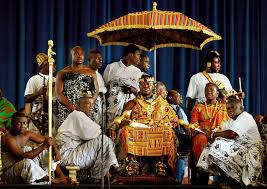
Kumasi remains one of Ghana’s most culturally important cities. As the historic center of the Ashanti Kingdom, the city preserves traditions that continue to shape Ghanaian identity today.
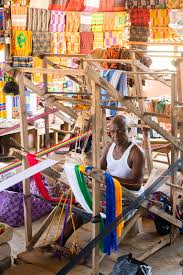
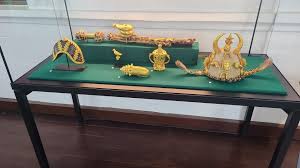
Tourists frequently visit the Manhyia Palace Museum to learn about Ashanti history and leadership. Others head to nearby craft villages where artisans produce kente cloth, wood carvings, pottery, and adinkra symbols using traditional methods passed down through generations.
Festivals and traditional ceremonies held in Kumasi also attract both local and international visitors interested in Ghana’s rich cultural heritage.
As tourism interest continues to grow, Ghana is increasingly being recognized as a destination that offers more than beaches and sightseeing. The country’s blend of history, hospitality, wildlife, and culture continues to leave strong impressions on travelers from around the world.