
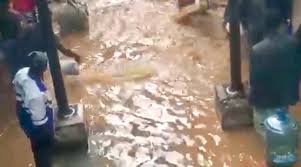

Heavy flooding at the Sekondi Central Prison in the Western Region has raised fresh concerns about prison safety and the possibility of a security breach following days of intense rainfall in parts of Ghana.
The flooding reportedly affected sections of the prison facility after torrential rains overwhelmed drainage systems in Sekondi Takoradi, causing water levels to rise dangerously within and around the prison compound.
“The prison is old, and as water continues to enter the facility, it weakens the walls of the cells and could lead to escapes. Aside from that, it could also create serious health concerns,” stated by the Director of Prisons in charge of Operations and Facility Management, Benedict Bob Dery on Friday, May 29.
Authorities and local residents are said to be increasingly worried that the deteriorating conditions could create vulnerabilities capable of leading to a possible jailbreak if emergency interventions are delayed.
According to reports, prison officers have already intensified surveillance and security monitoring within the facility as floodwaters continue to affect daily operations.
Floodwaters Disrupt Prison Operations
The flooding has reportedly damaged parts of the prison environment, affecting movement within the facility and creating difficult conditions for both inmates and prison officers.
Eyewitness accounts indicate that water entered several sections of the prison compound after nearby drains overflowed during the downpour. Some surrounding communities in Sekondi Takoradi also experienced flooding, road blockages, and temporary disruptions to transportation.
Security analysts say flooding inside correctional facilities can create serious operational risks because weakened infrastructure, reduced visibility, and emergency evacuations may increase opportunities for escape attempts.
Although no jailbreak has been reported, concerns continue to grow as weather conditions remain unstable in parts of the Western Region.
Residents Express Anxiety Over Security Risks
The situation has triggered anxiety among nearby residents, many of whom fear that worsening flood conditions could compromise prison security.
Some residents reportedly called for immediate government intervention to prevent any escalation that could threaten public safety.
The Sekondi Central Prison remains one of the oldest correctional facilities in Ghana and has faced overcrowding and infrastructure concerns over the years. Analysts say aging prison structures often become more vulnerable during severe weather events because of poor drainage systems and maintenance challenges.
Flooding Continues to Expose Infrastructure Challenges
The latest incident has once again highlighted Ghana’s recurring flooding challenges, especially during the rainy season.
Urban flooding remains a major concern in several Ghanaian cities due to blocked drainage systems, poor waste disposal practices, rapid urbanization, and inadequate stormwater infrastructure.
In recent weeks, parts of Accra, Kumasi, Takoradi, and other urban centers have experienced varying levels of flooding after heavy rains.
Emergency management experts say correctional facilities, schools, hospitals, and other public institutions require stronger climate resilience measures to reduce risks during extreme weather conditions.
Authorities Monitoring the Situation
Security agencies and prison authorities are reportedly monitoring conditions closely while assessing possible safety measures if the flooding worsens.
Officials have not publicly confirmed any evacuation plans for inmates, but sources suggest contingency discussions may be ongoing to prevent security complications.
The Ghana Prisons Service has yet to issue a detailed official statement regarding the full extent of the flooding impact inside the Sekondi Central Prison facility.
Disaster management officials are also expected to continue monitoring weather developments across flood prone areas in the country as the rainy season intensifies.
For many observers, the incident serves as another reminder of the urgent need for infrastructure upgrades and improved disaster preparedness within critical state institutions.
As concerns grow, residents around Sekondi Central Prison are hoping authorities move quickly to stabilize the situation before conditions deteriorate further.